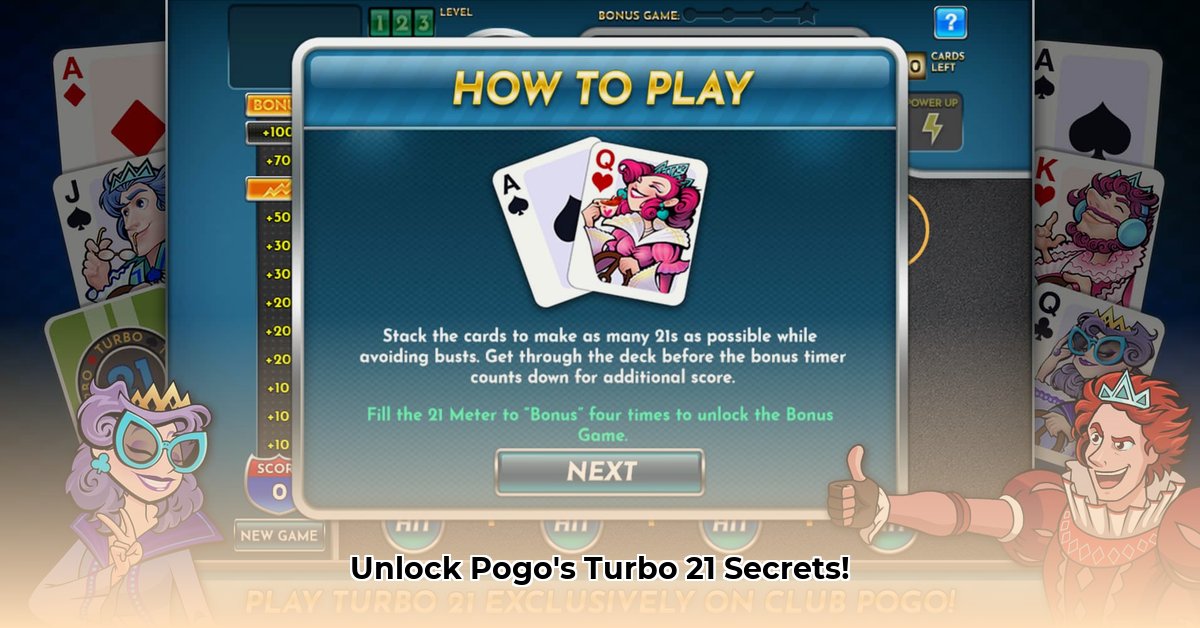
Turbo 21 Pogo Games: Understanding the Free-to-Play Landscape
While specific details on Turbo 21 Pogo games remain undisclosed, analyzing the broader free-to-play (F2P) mobile gaming market provides valuable insight into its potential mechanics and monetization strategies. The explosive growth of F2P games highlights a compelling question: how do these seemingly free experiences generate substantial revenue? The answer lies in a sophisticated blend of engaging gameplay and carefully implemented in-app purchase (IAP) models.
The Allure of Free-to-Play: Accessibility and Engagement
The immediate appeal of free-to-play games is undeniable—zero upfront cost removes a significant barrier to entry. This accessibility opens the market to a vast player base, a key ingredient for generating significant revenue through IAPs. But how do developers maintain player interest and encourage spending?
Monetization Strategies: A Delicate Balance
The cornerstone of F2P success is the IAP model. These purchases range from purely cosmetic enhancements, like character skins, to performance-boosting power-ups. It’s crucial to understand that the success of Turbo 21 Pogo games, and similar titles, hinges on devising a system that offers these upgrades without creating a pay-to-win environment. This requires skillful game design and a deep understanding of player psychology. Have you ever wondered why some F2P games feel fair while others feel exploitative? The answer lies in the subtlety of their monetization strategy.
Player Engagement: Beyond the Initial Download
Securing a large player base is only half the battle. Maintaining engagement requires sustained effort. Regular content updates, engaging events, and robust social features (leaderboards, in-game chat) are vital for long-term player retention and subsequent spending. This continuous process is what keeps players invested and coming back for more. How can developers sustain this engagement over time?
The Economics of Free-to-Play Games: Maximizing Revenue While Fostering Loyalty
Key Takeaways:
- A diverse monetization strategy is crucial for long-term success. Relying solely on one revenue stream is risky.
- Understanding player behavior through data analysis is essential to optimize IAP offerings and marketing.
- Striking a balance between fair monetization and an enjoyable player experience is paramount.
Diversifying Revenue Streams
Successful F2P games rarely rely on a single monetization strategy. A diversified approach is key. This means incorporating a combination of IAPs, rewarded video ads, and possibly even subscription models. Consider the strategic use of these methods to maximize revenue while preserving a positive player experience. What is the most effective combination of monetization strategies?
Data-Driven Decision Making
Data analysis is paramount in the F2P world. Tracking player behavior allows developers to identify patterns and optimize their monetization strategies. A/B testing different IAP offerings, ad placements, and promotional campaigns provides invaluable insights into what resonates with players and what doesn't. This data-driven approach is essential for long-term success. How does data analysis inform the ongoing development and monetization of these games?
Avoiding Common Pitfalls
Developers frequently encounter challenges in balancing player satisfaction with revenue generation. Overly aggressive IAPs can alienate players, leading to churn (player attrition). Conversely, insufficient monetization can cripple a game's financial viability. The key is to offer value-driven purchases that enhance the gaming experience without feeling coercive. What are some effective methods for preventing player churn?
⭐⭐⭐⭐☆ (4.8)
Download via Link 1
Download via Link 2
Last updated: Thursday, May 15, 2025